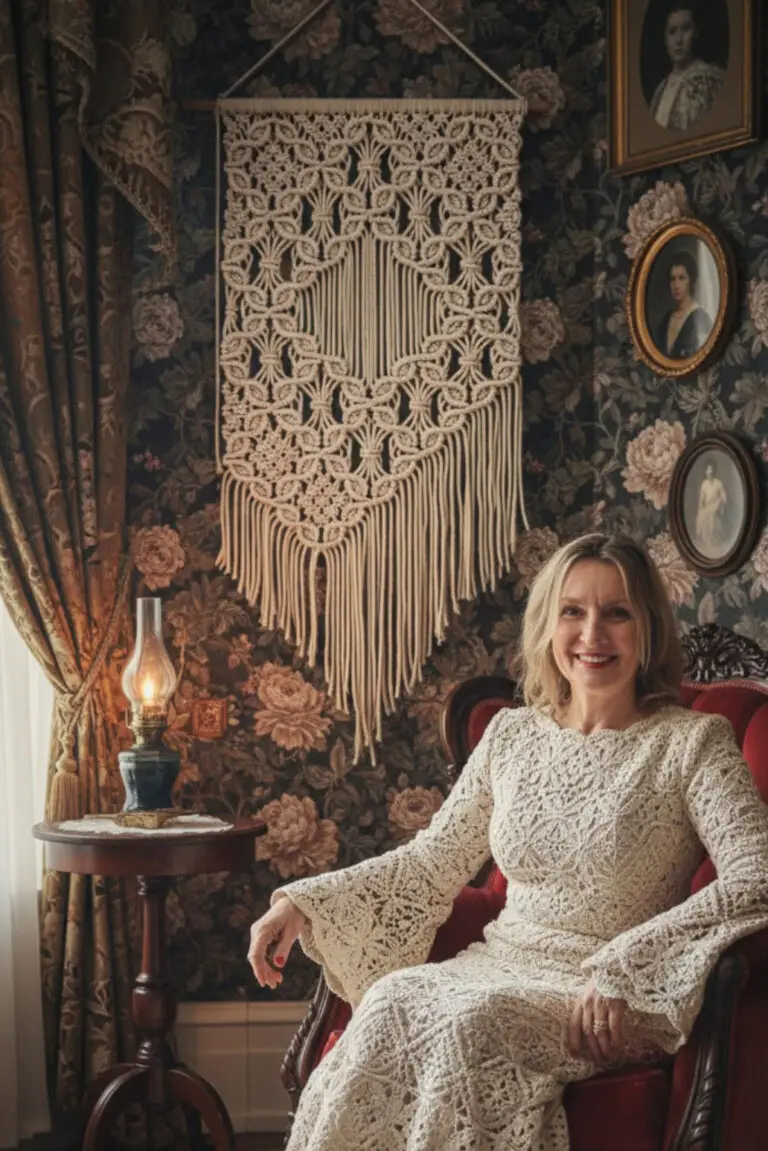
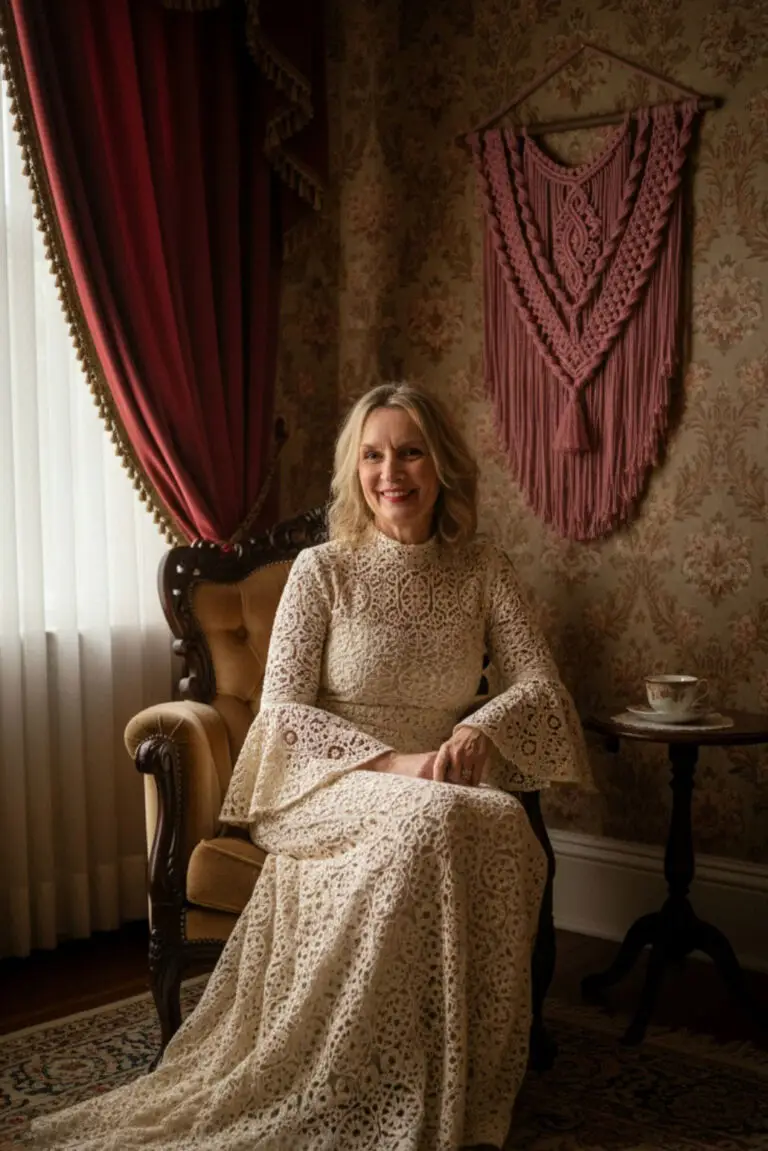
Macrame Wall Hangings: From Ancient Craft to Modern Boho Chic
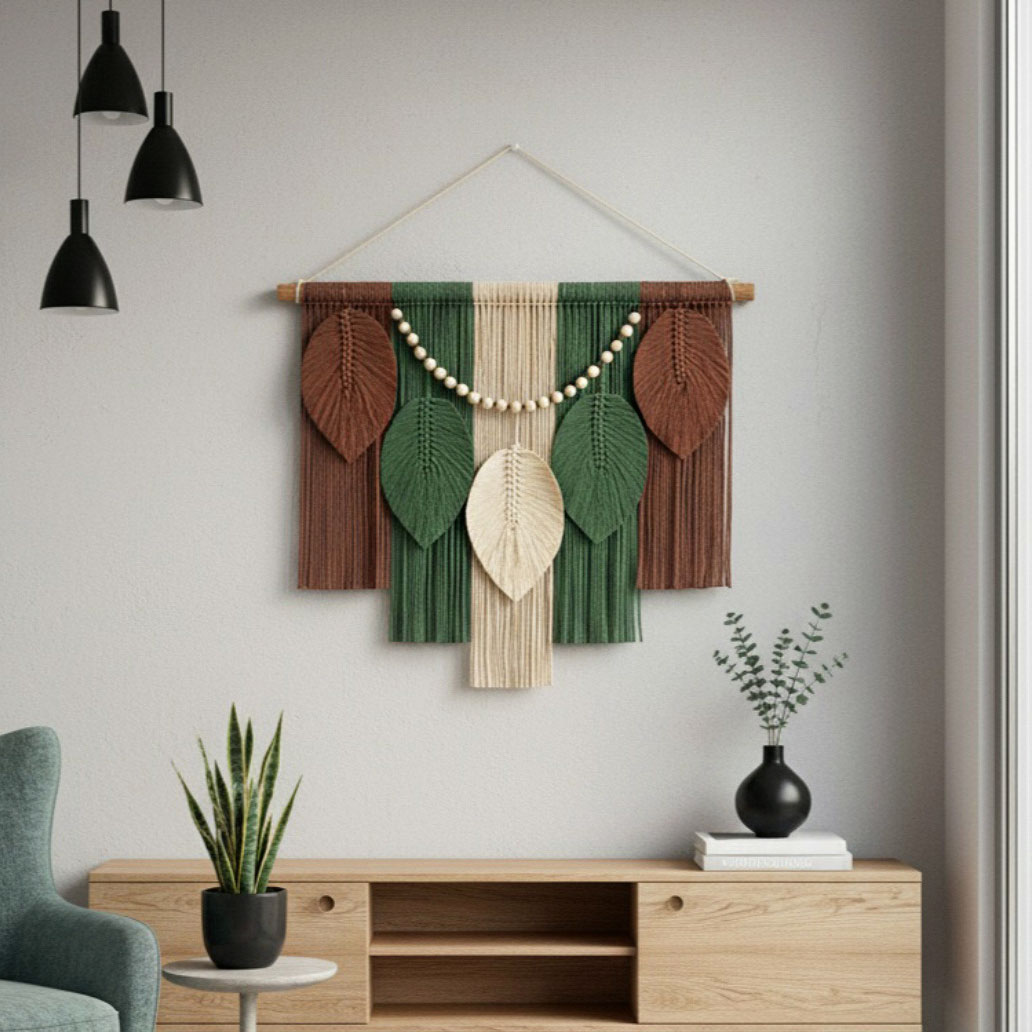
Walk into any boho-inspired home today and you’re likely to find one common thread — macrame wall hangings. Even if you’ve been searching Pinterest or Instagram for bohemian interior design inspiration, you’ve probably been captivated by the intricate beauty of macramé wall hangings. These woven wonders have made a massive comeback, turning plain walls into artistic statements full of texture, warmth, and soul. But macrame isn’t just a trendy home décor item — it’s an ancient art form with a fascinating journey through time. But how did a centuries-old maritime craft become a staple in chic living rooms around the world?
Let’s dive into the history, rise, and future of macrame, and explore why it has become a beloved feature in modern interior design
A Knot Through Time: The Origins of Macrame
The roots of macrame reach back to the 13th century, when Arabic weavers used decorative knots to finish the loose ends of woven textiles. The word macramé is believed to derive from the Arabic word migramah, meaning “fringe” or “ornamental trimming.” From North Africa, the craft journeyed through Spain and into Europe, where it became popular among sailors.
These sailors were not just navigating the seas, they were knotting their way through idle hours, creating hammocks, belts, and wall decorations using the same knots they relied on to secure their ships. As they traveled across continents, they spread macrame wherever they docked.


A 1970s Revival: From Counterculture to Craft Rooms
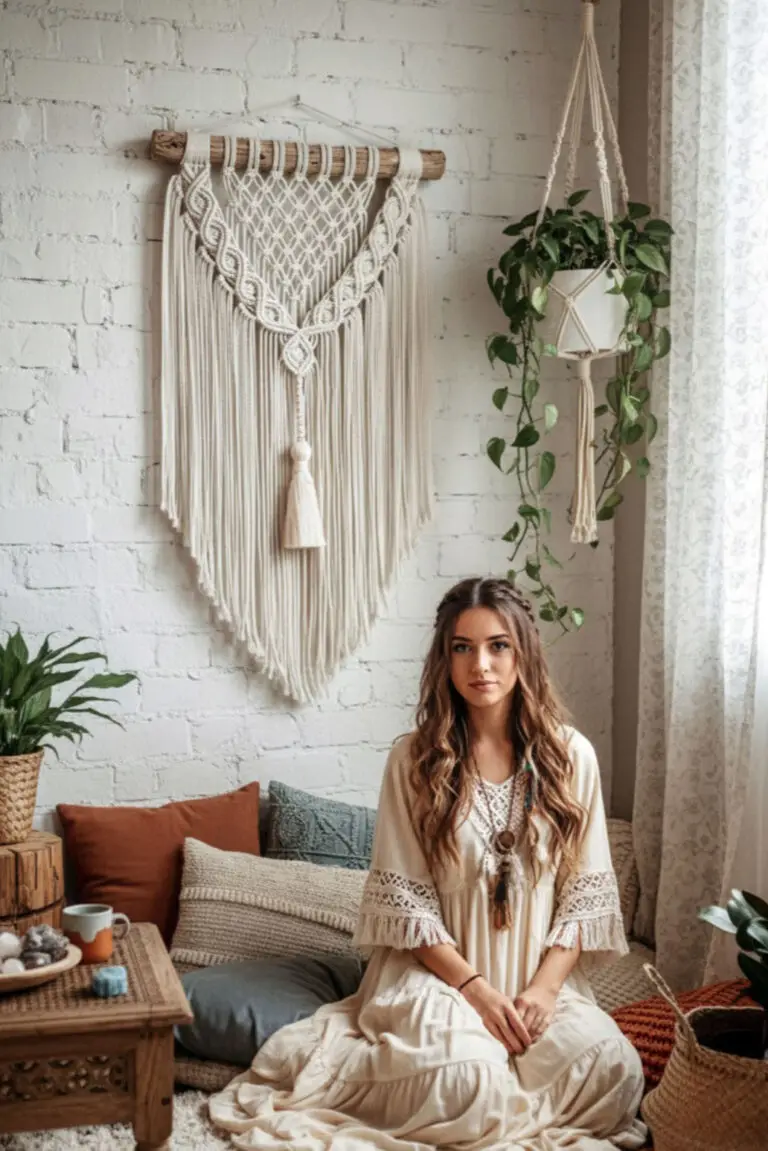
Fast forward to the 1970s, when macrame experienced a resurgence during the hippie era. Natural fibers, handmade goods, and a love for all things earthy aligned perfectly with the decade’s free-spirited ethos. Plant hangers, owl wall art, and fringed curtains became synonymous with bohemian homes.
However, like many trends of the ’70s, its popularity faded in the following decades — until recently.
Modern Macrame: The Boho Renaissance
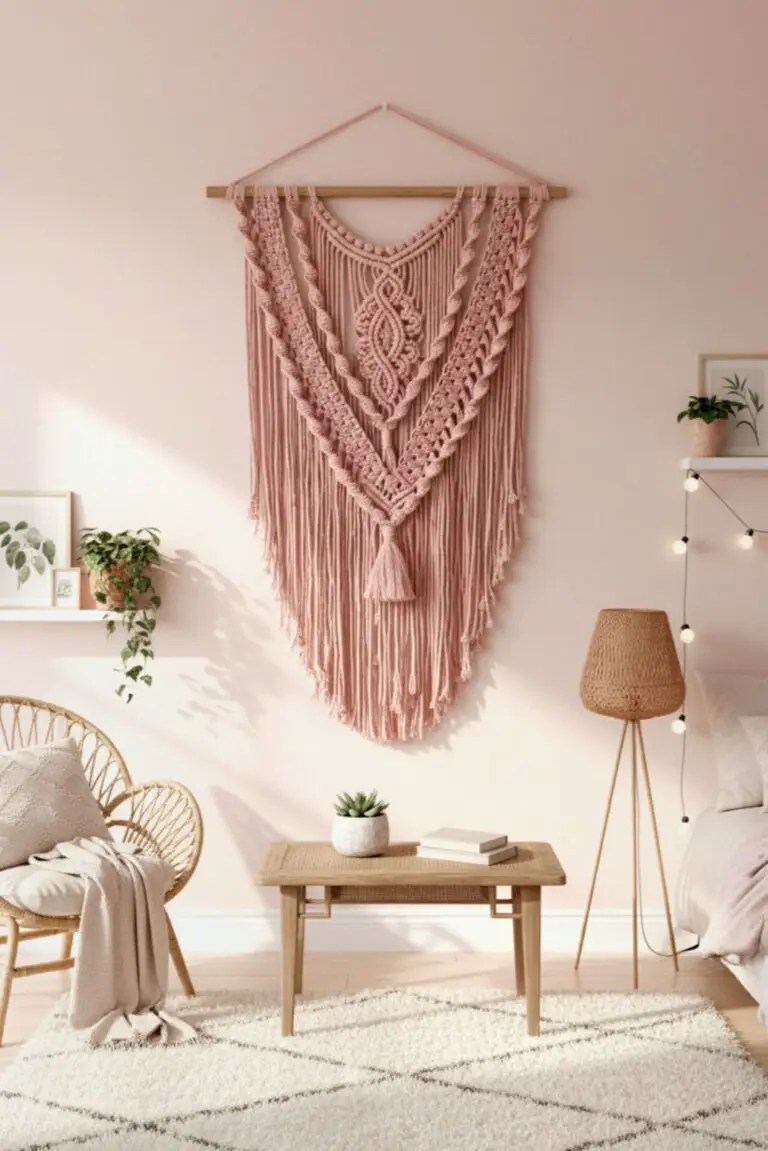
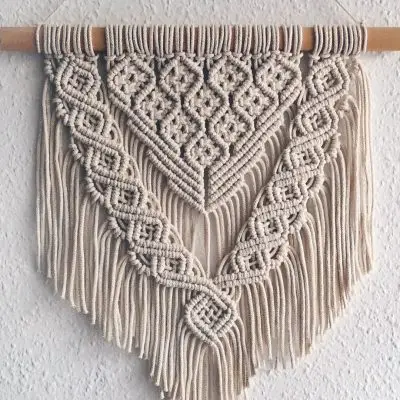
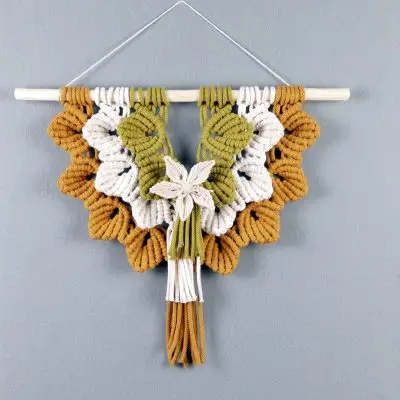
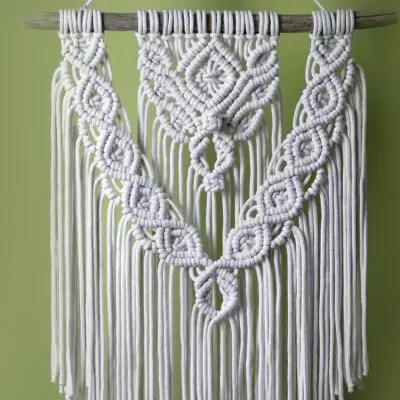
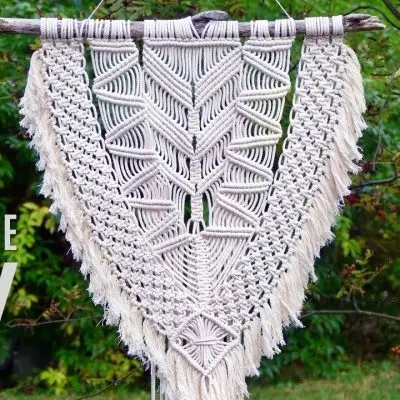
Over the last decade, macrame has made a powerful comeback, reinvented for modern, minimalist, and boho-chic interiors. Today’s macrame wall hangings are more sculptural, often blending traditional knots with contemporary design principles. Think large-scale tapestries over beds, dramatic arches in entryways, or asymmetrical designs framed like art.
The rise of Instagram, Pinterest, and Etsy has fueled the revival, turning macrame artists into influencers and entrepreneurs. Handcrafted décor, sustainability, and slow living lifestyles have boosted the craft’s popularity among millennials and Gen Z homeowners and renters alike.
Wall Hanging Tutorial
Wall Hanging Tutorial
Go to next scene
Exit
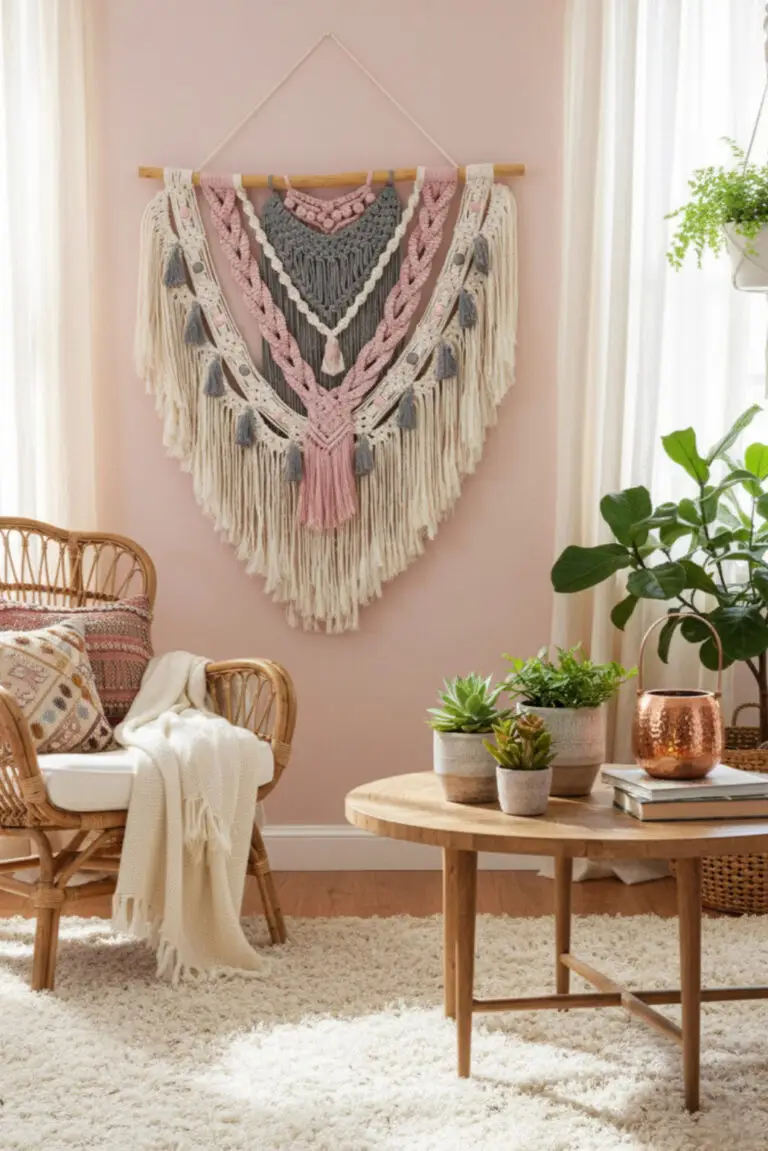
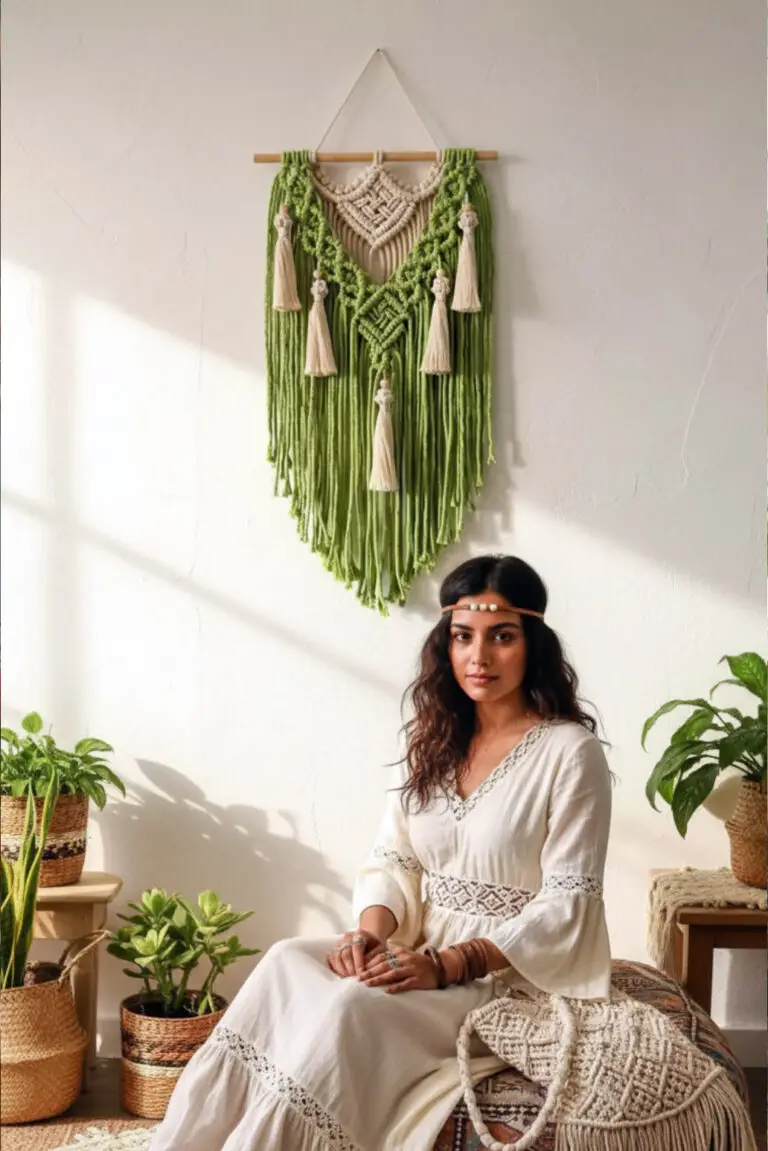
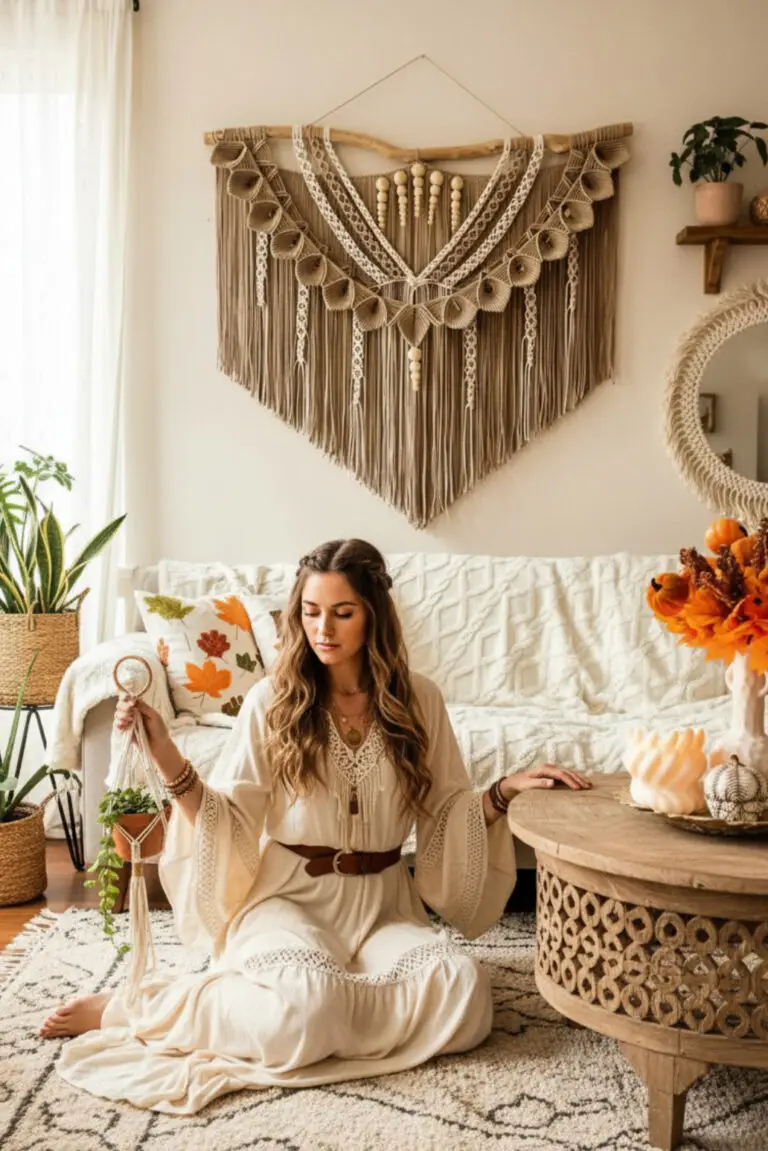
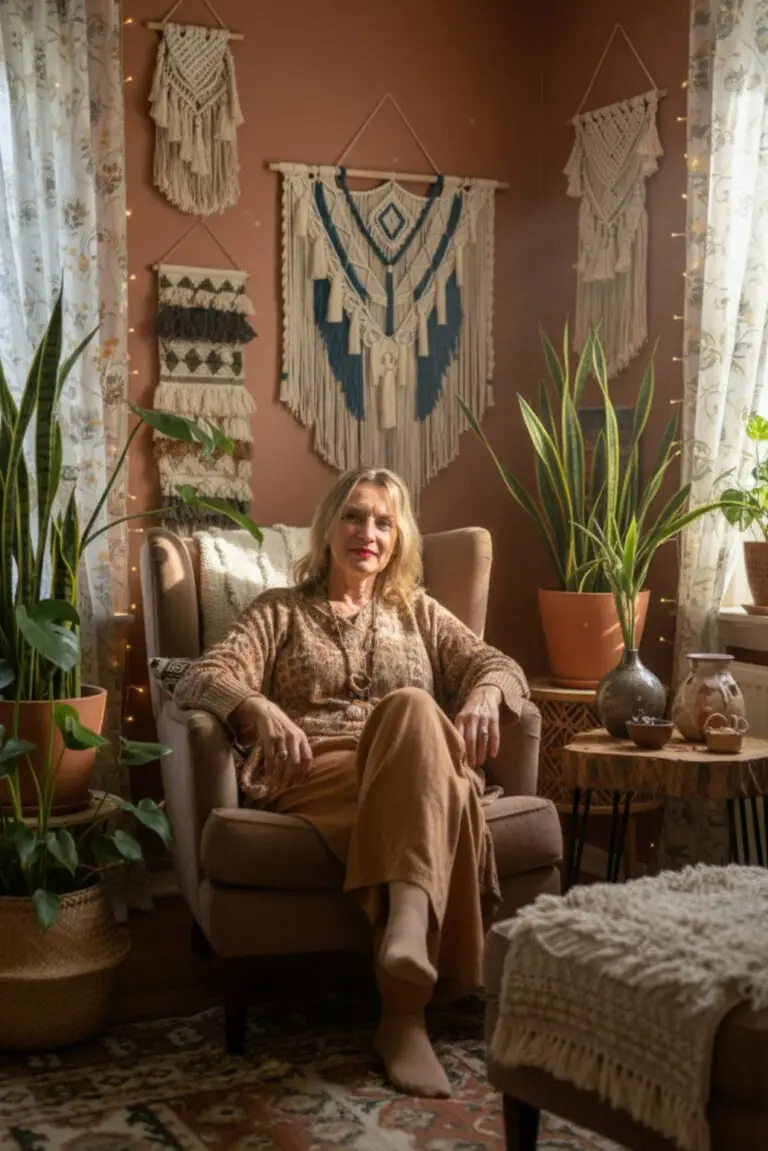
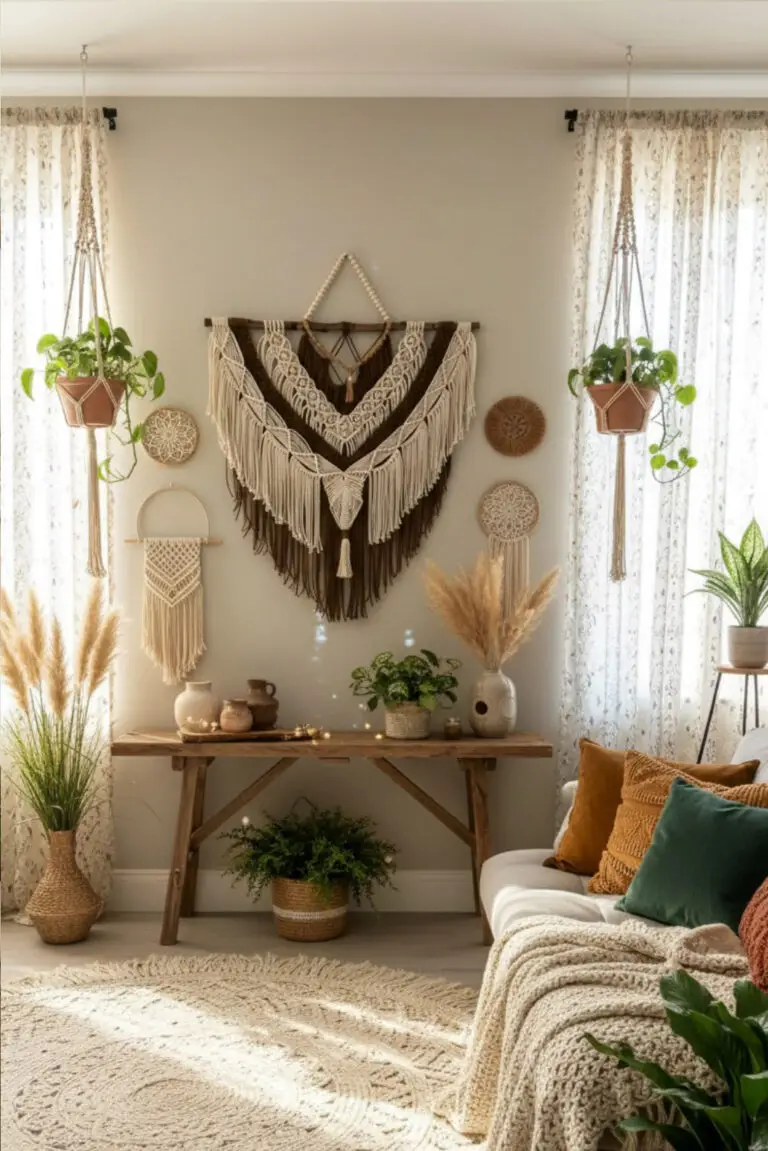
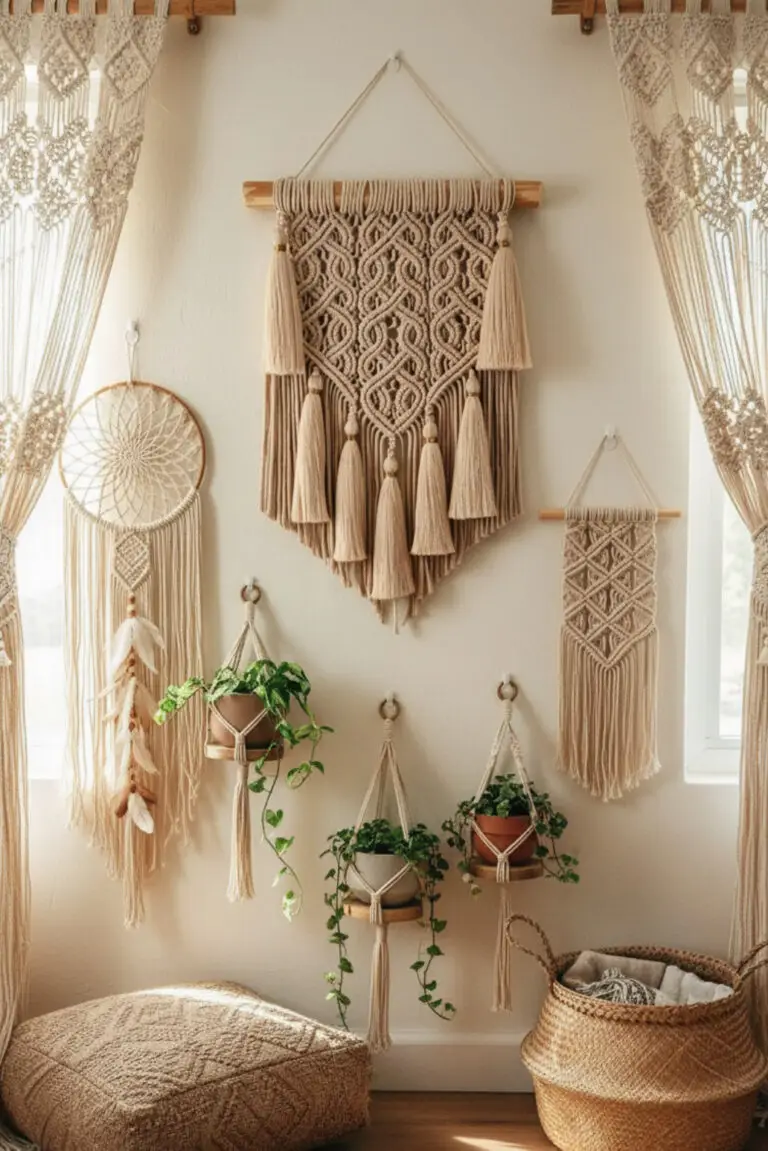
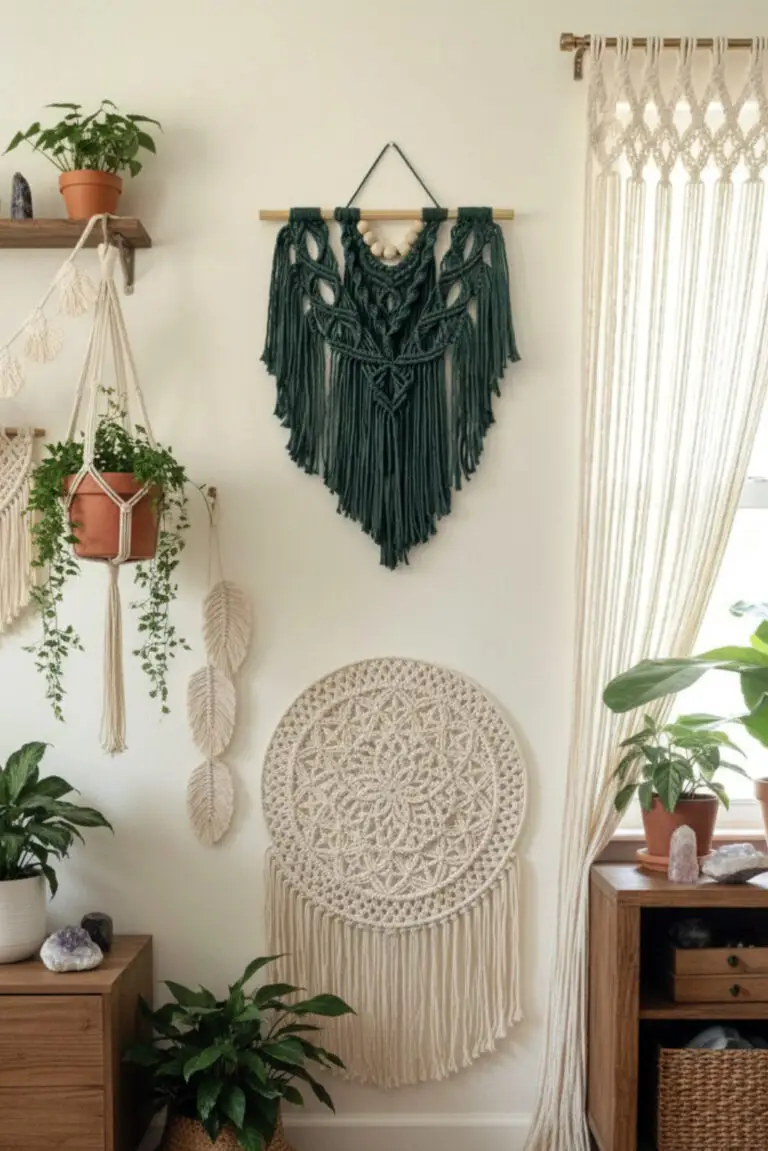
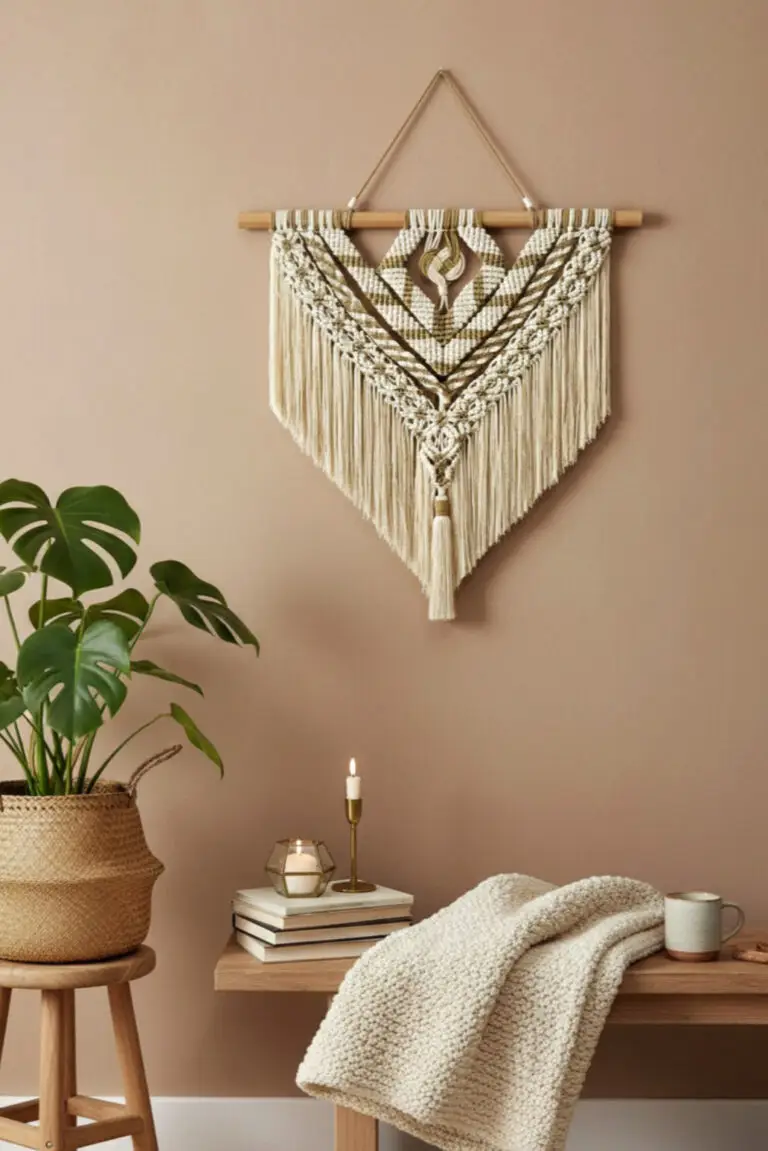
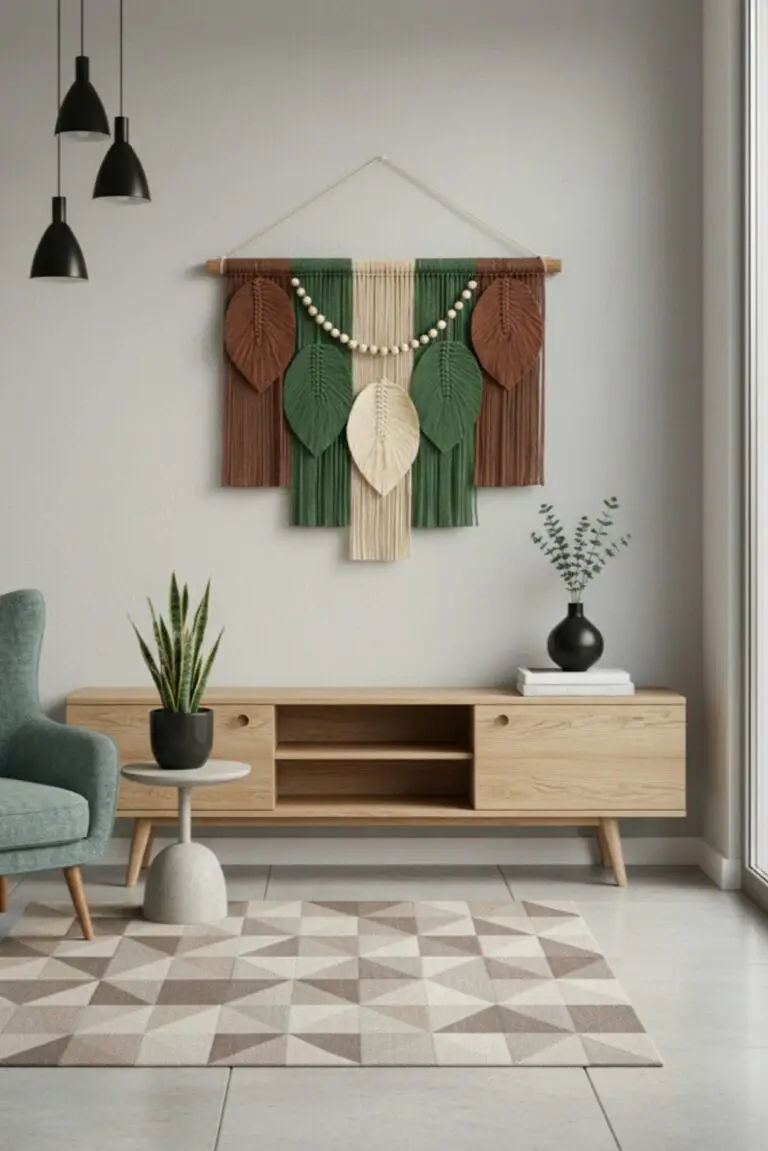
Macrame Today: A Modern Boho Icon
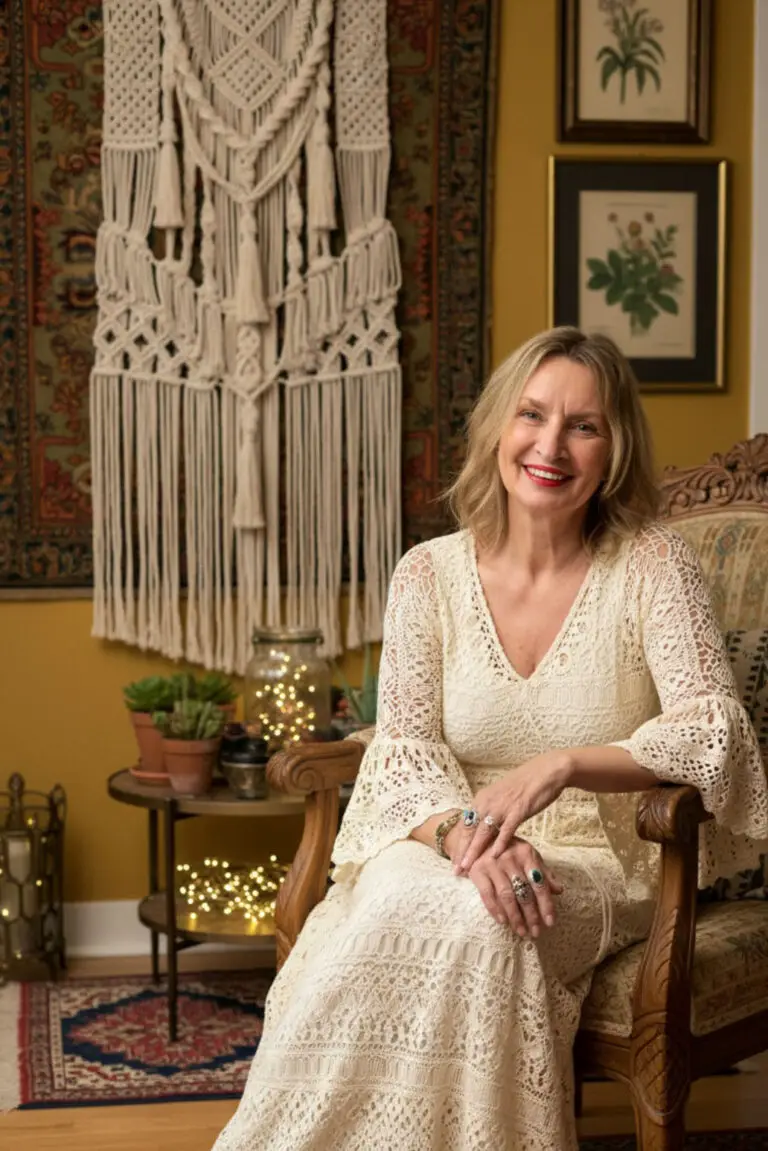
Today’s macrame wall hangings range from minimalist neutral tapestries to large-scale sculptural pieces that command attention over beds, couches, and entryways. It’s celebrated not only for its beauty but also for its handmade authenticity and calming, boho vibe.
Why Macrame Works So Well in Boho Interiors
✔️ Adds texture to minimalist walls
✔️ Complements earthy color palettes and natural decor
✔️ Creates a cozy, lived-in feel
✔️ Acts as a piece of handcrafted wall art
✔️ Brings personality and uniqueness to a room
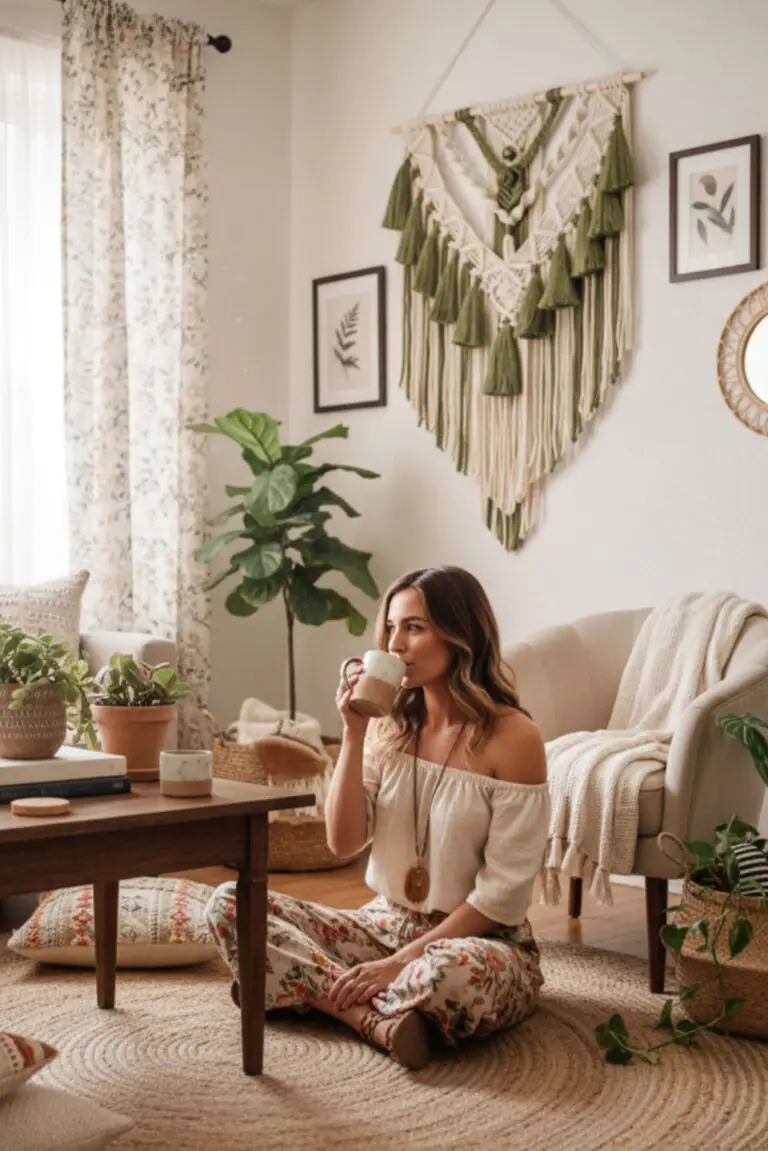
Macrame pairs beautifully with plants, rattan furniture, soft textiles, and neutral tones — making it ideal for boho, Scandinavian, Japandi, and modern rustic styles.
Interior designers use macrame strategically to:
✅ Add texture to minimalist or Scandinavian spaces
✅ Create visual interest in neutral color palettes
✅ Introduce handmade authenticity in mass-produced environments
✅ Anchor gallery walls or frame living room conversation zones
From soft cream tapestries to bold black knotted sculptures, macrame has evolved into a form of textile art that can stand alongside framed prints or even replace them entirely.
Beyond Wall Hangings: Sculptural Creations Take Center Stage
What once was simple knotwork has now evolved into high-concept décor. Artists are crafting:
✔️ Ceiling installations and draped room dividers
✔️ Macrame headboards and bed canopies
✔️ Freestanding macrame sculptures
✔️ Mixed-media pieces featuring wood, copper, and beads
✔️ Functional decor like shelves and light fixtures
✔️ Woven tapestries combining macrame with loom weaving
These creations blur the line between décor and fine art, turning walls into storytelling canvases.
Is Macrame Just a Trend — Or Is It Here to Stay?
Given the current design focus on natural elements, sustainability, and artisanal craftsmanship, macrame shows no signs of disappearing anytime soon. In fact, its future in interior design looks promising.
Predicted trends include:
✅ More experiments with color, shape, and scale
✅ LED-integrated Macrame lighting and functional art pieces
✅ Custom, statement-sized installations
✅ Increased presence in commercial spaces like cafes and boutique hotels
✅ Collaborations between textile artists and designers
✅ Strong demand for handcrafted, eco-friendly decor
As people continue to crave homes that feel personal, artistic, and peaceful, macrame’s tactile, handmade charm makes it a continued favorite.
With the rise of conscious consumerism and the desire for unique, meaningful pieces, macrame wall art is likely to maintain — if not increase — its influence in interior design.
Conclusion: A Timeless Craft with a New Story
From ancient desert tribes to modern apartment walls, macrame has woven its way through history with quiet elegance and cultural resilience. Today, it’s more than just décor — it’s an expression of craftsmanship, individuality, and the art of making a house feel like home.
In an age of mass production, macrame stands as a reminder: beauty is often found in the time it takes to knot a story, one thread at a time.