The History of Macramé

The Tangled, Traveling, Totally Human History of Macramé
Imagine a handful of cords, a few patient fingers, and a quiet freedom: that’s the first image that comes to mind when I think of macramé. But this humble craft – the art of knotting cords into patterned textiles – has a surprisingly globe-trotting, era-hopping story. Below is a lively tour from its earliest fringed edges to the boho-chic walls of today.
1. Where it all began: knots, fringe and early civilizations
Long before macramé had a name, people were tying decorative knots. Evidence of knotted fringes appears in ancient reliefs and carvings across Mesopotamia and Assyria – garments and textiles finished with knotted edges show how long humans have loved turning stray threads into ornament. The technique that would become macramé likely grew from those practical and decorative origins.


2. The Arabic weavers and the birth of a name
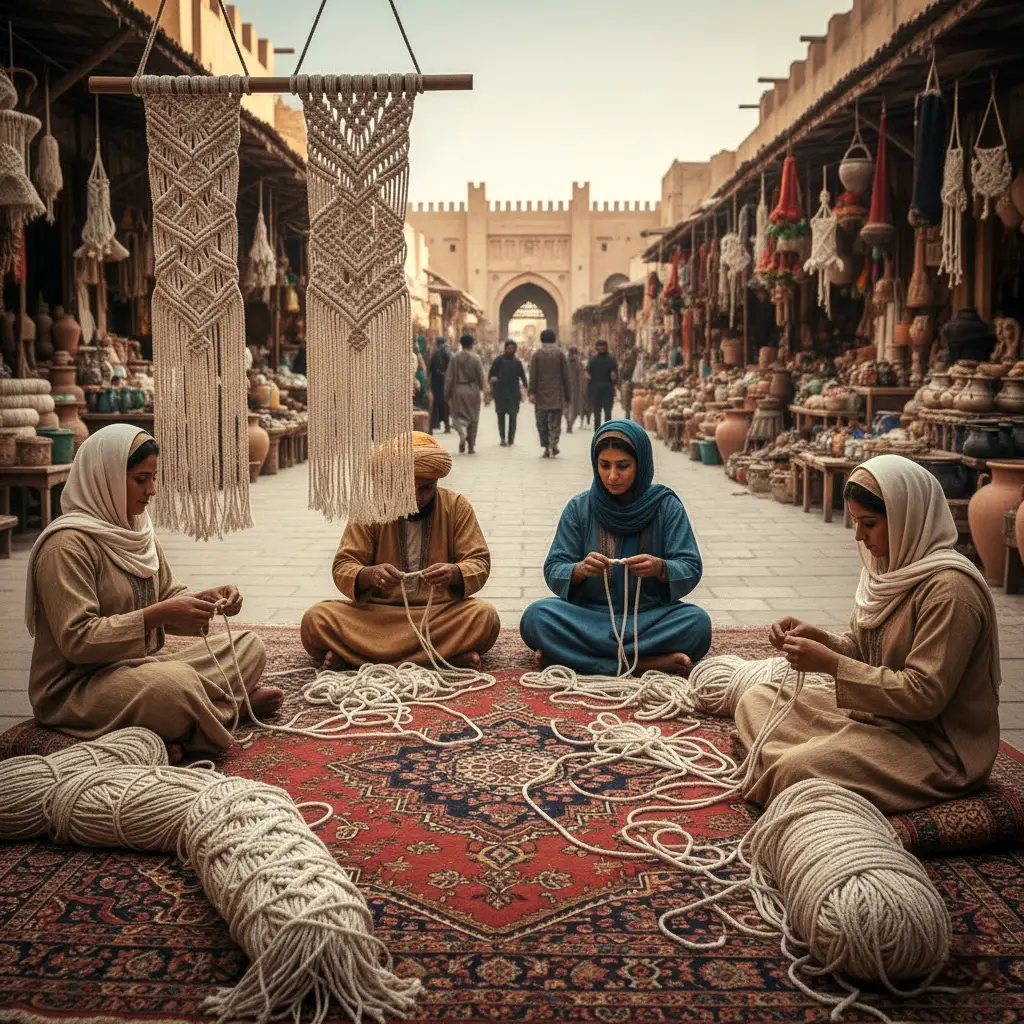
The story most historians favor places a clear ancestor of macramé among 13th-century Arabic weavers. As they finished woven cloth, they used knotting to secure and decorate the warp’s loose ends – turning waste into beautiful fringe. The word macramé probably comes from an Arabic term (often reported as migramah or related forms) meaning “fringe” or “ornamental veil.” From the Arab world the technique and styles spread westward, carried by trade and cultural exchange.
3. Sailors, Spain, and the craft that circled the world
Sailors loved macramé. While waiting out long stretches at sea they practiced knotting to make belts, hammocks, and decorative items – and when ships docked these goods were sold or traded, disseminating patterns and techniques to ports across the globe. Spain became a European hub after Moorish influence, and from there macramé traveled into Italy, France and eventually England. The craft acquired nicknames along the way ( sailors sometimes called it “macramé” or “McNamara’s lace”), and new motifs and materials were incorporated with each stop.


4. A Victorian obsession with trim and detail
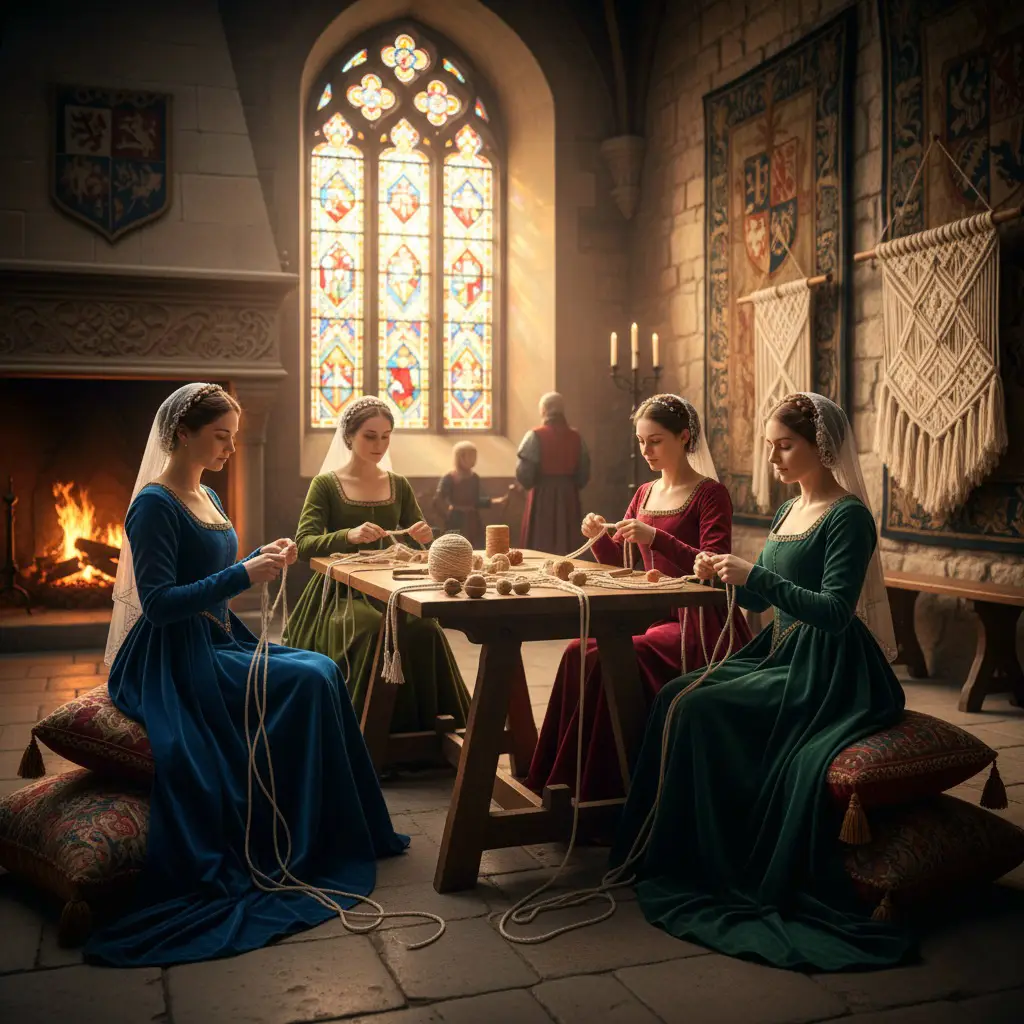
Victorians adored ornament, and macramé fit perfectly. From delicate ‘macramé lace’ edgings on clothing and household linens to elaborate curtain and coverlet trimmings, the 19th century produced manuals and patterns that standardized many techniques. Books like Sylvia’s Book of Macramé Lace circulated popular patterns and made the craft accessible to middle-class households looking to add tasteful frills.

5. The 20th century: pockets of revival and reinvention
Into the 1900s, macramé continued to reappear in fashion and accessories – think knotted handbags and novelty items from early-century craft culture. Artisans and hobbyists experimented with sturdier cords and bolder motifs, foreshadowing the bigger stylistic shifts to come.
6. The big boom: 1960s-1970s counterculture and mass popularity
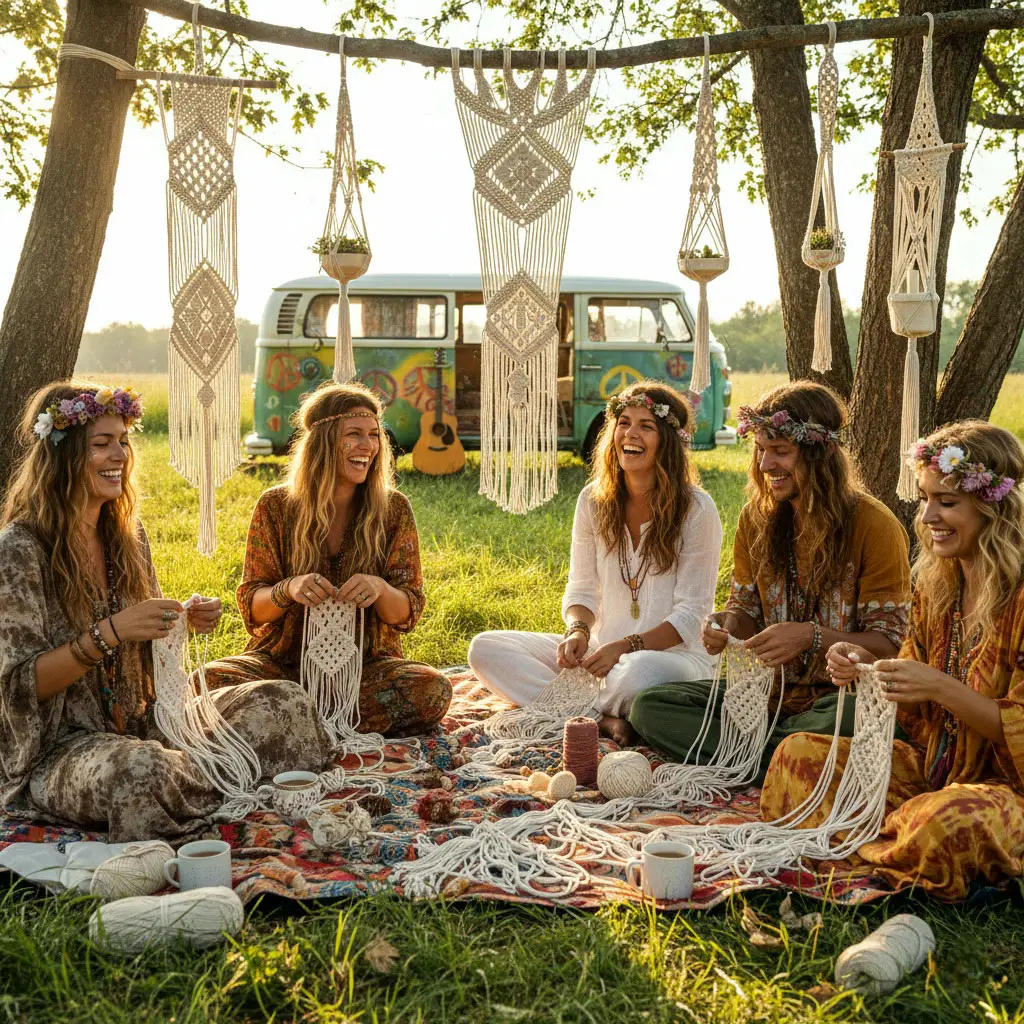
Macramé’s biggest global comeback came with the counterculture and bohemian movements. In the 1960s and 70s, macramé went big: thick cotton cord, long fringe, and large-scale plant hangers, wall panels, and clothes. It was affordable, handmade, and perfectly aligned with DIY ethos and natural-materials aesthetics – soon macramé hung in living rooms, on porches, and at craft fairs worldwide.7. Falling out of fashion and the quiet years
Like many trends, macramé receded in the 1980s and 1990s – pushed out of mainstream interiors by minimalism and new mass-manufactured decor. But the craft never truly died; groups of makers, fiber artists, and cultural traditions kept techniques alive behind the scenes.8. 21st-century revival: boho, social media, and craft as career
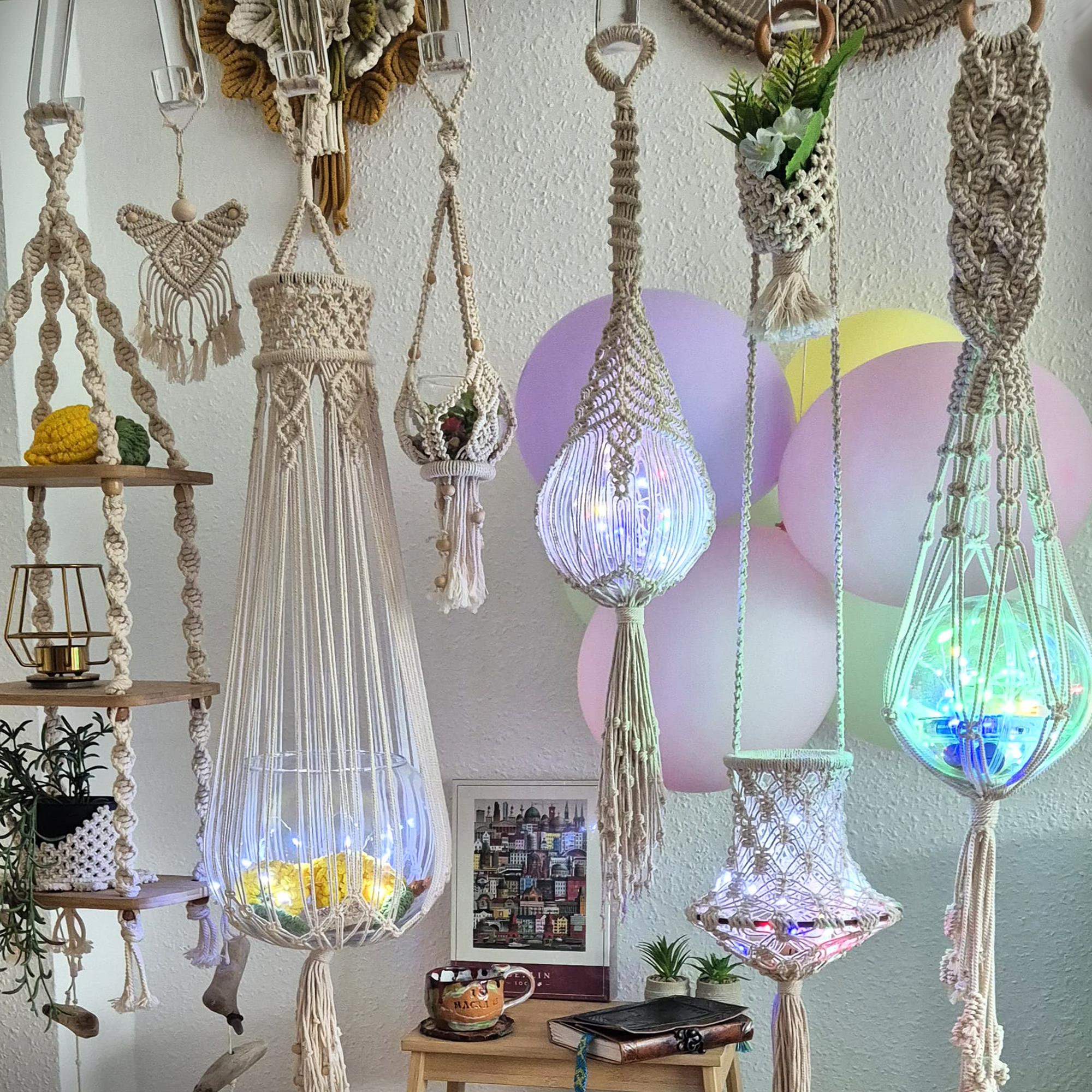
The last decade has been a renaissance. A few ingredients explain macramé’s comeback: the boho and “handmade” trends in home and wedding style, the rise of craft marketplaces and festivals, and social platforms where step-by-step videos make learning instant. Contemporary macramé ranges from faithful recreations of Victorian lace to modern geometric wall art, minimal plant hangers, and experimental fiber sculptures. Materials also expanded: natural cotton remains popular, but hemp, jute, leather, and synthetic cords all play a part. Museums, craft schools, and online tutorials now foster a vibrant, global maker community.9. Techniques and variations – the small things that make macramé rich
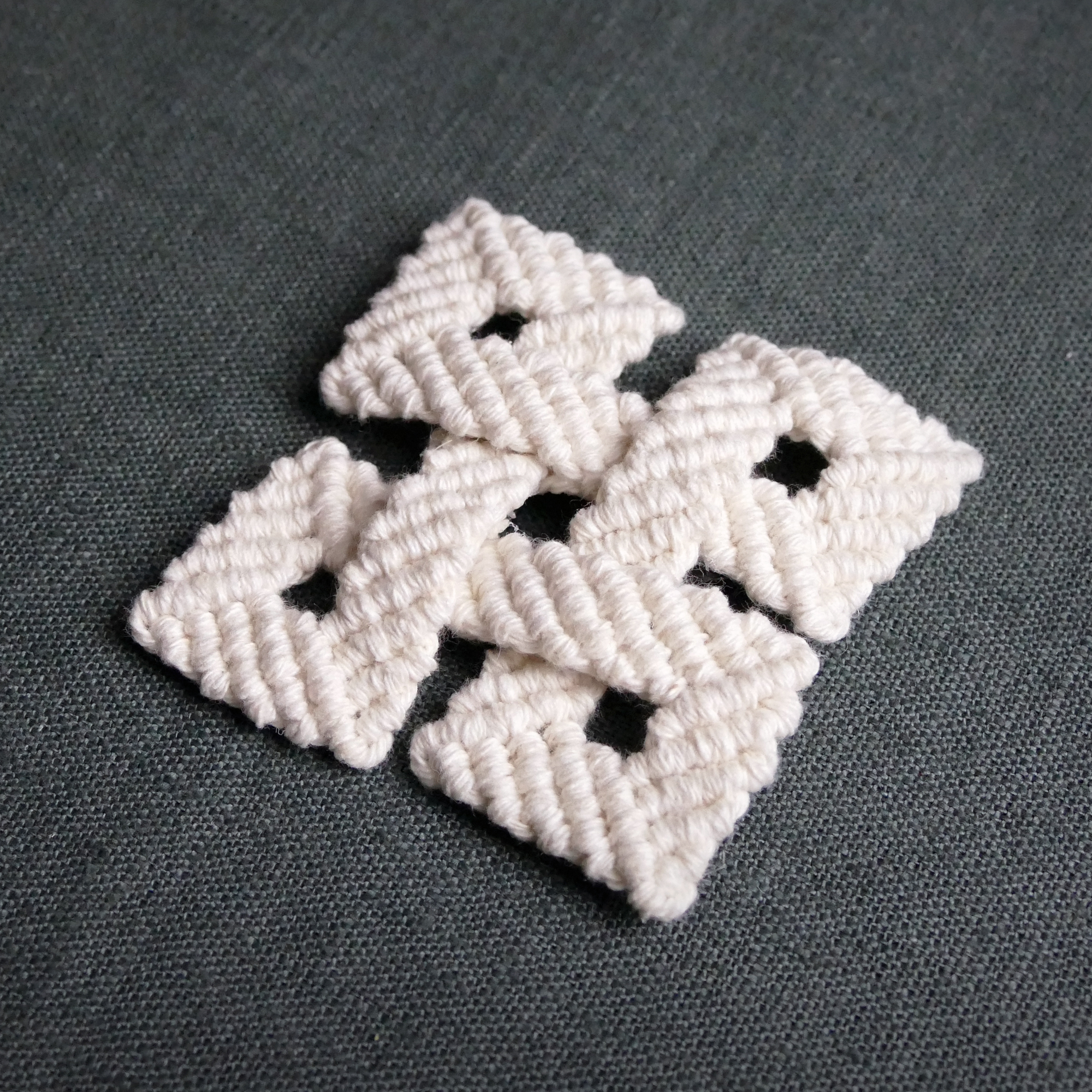
At its heart macramé is knotwork. A few anchors of the craft:- Square knots and half-hitches: the bread-and-butter knots used in most pieces.
- Cavandoli (tapestry) macramé: a technique that creates dense, graphic patterns, almost like woven tapestry executed in knots.
- Chinese & decorative knots: many cultures have independent decorative knot traditions (e.g., Chinese pan-chang knots) that cross-pollinated macramé techniques. These building blocks let makers go minimalist or wildly ornate – all with the same handful of twists and turns.
10. Why macramé matters today
Beyond trend cycles, macramé endures because it’s portable (few tools required), tactile, and immediate. It’s an accessible craft that invites improvisation. For many, it’s also a gentle antidote to screens: a small, meditative practice that produces something beautiful and tangible. As contemporary makers blend sustainable fibers, revived historical stitches, and fresh design language, macramé feels both historic and utterly now.